LM-79 Moving Detector Goniophotometer (Mirror Type C)
LSG-6000

High Precision Rotation Luminaire Goniophotometer
LSG-1890B

High Precision Rotation Luminaire Goniospectroradiometer
LSG-1890BCCD

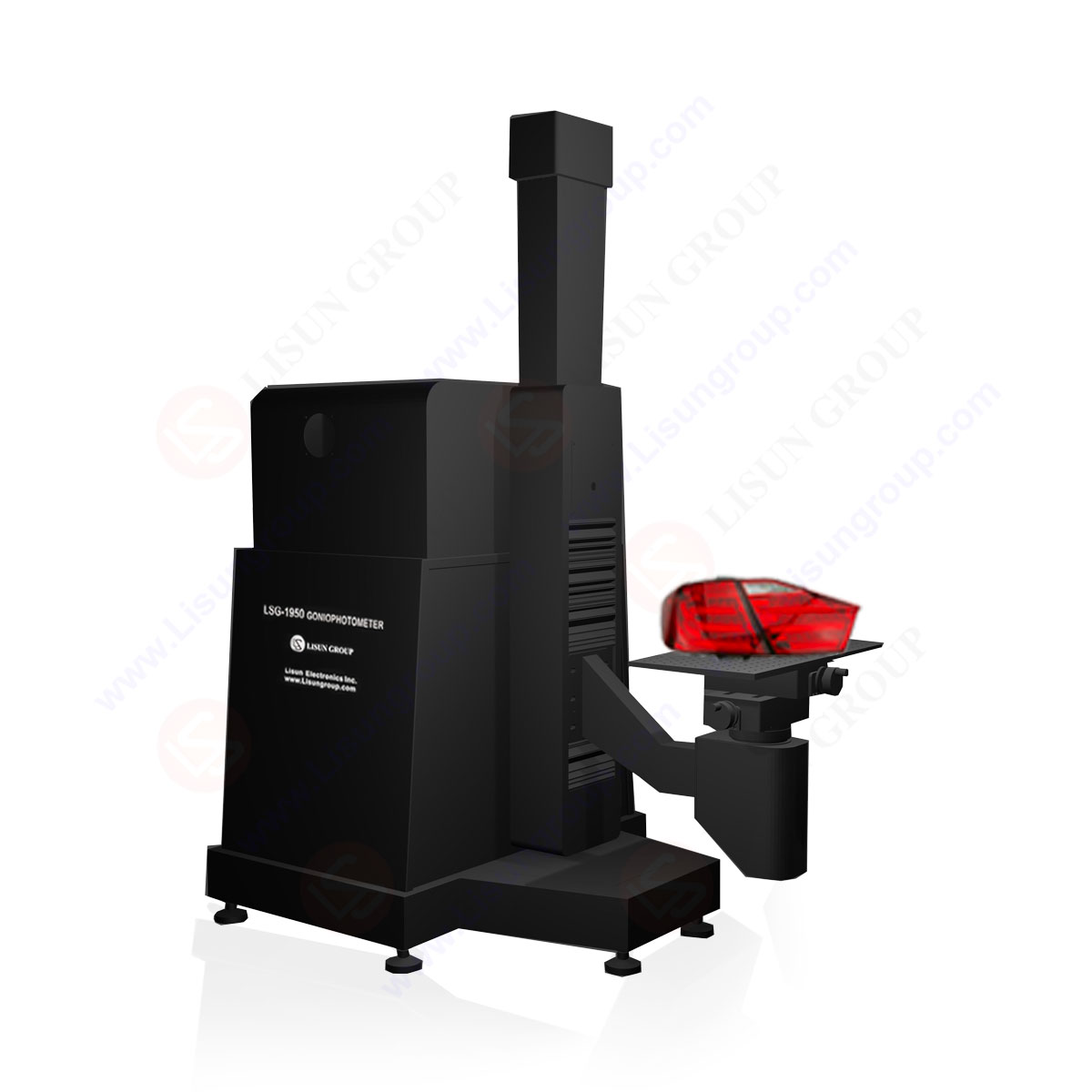
Goniophotometer for Automotive and Signal Lamps
LSG-1950

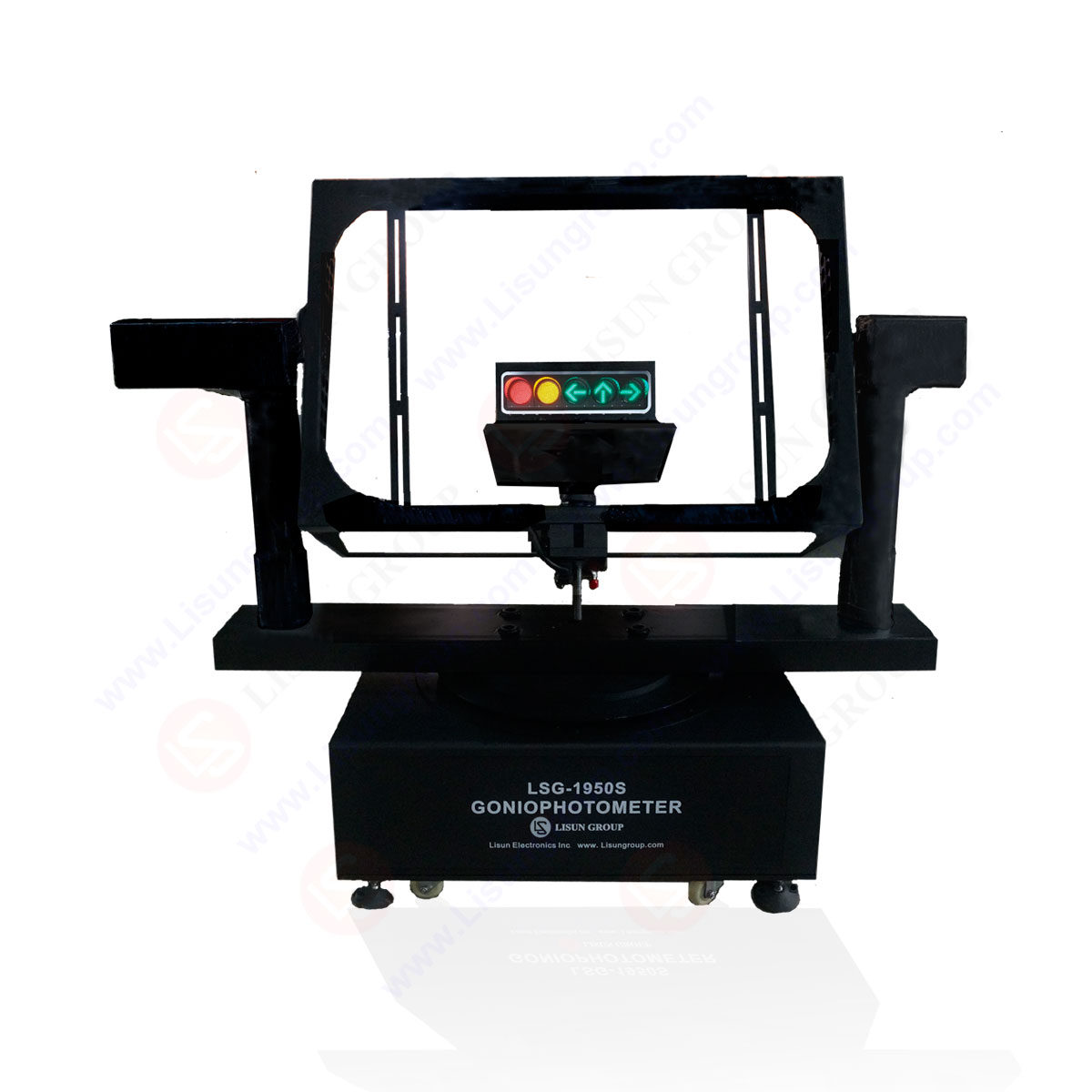
Goniophotometer for Traffic Signal Lamps
LSG-1950S

Compact Goniophotometer
LSG-1200A

Near Field Moving Detector Goniophotometer
LSG-1900B


Select an organization
to browse standards
SCOPE
This document includes requirements of installations of adequate landing and taxing lighting systems in aircraft of the
following categories:
a. Single engine personal and/or liaison type
b. Light twin engine
c. Large multiengine propeller
d. Large multiengine turbojet/turbofan
e. Military high-performance fighter and attack
f. Helicopter
This document will cover general requirements and recommended practices for all types of landing and taxi lights. More specific recommendations for LED lights in particular can be found in ARP6402.
Purpose
The purpose of this document is to provide certain basic considerations and design criteria for installation of landing and taxing light systems for night operation. These recommendations can be used to provide criteria for adequate lighting for the FAA or other certifying authority.
Landing Lights
Landing lights are used primarily to provide ground reference information during final approach, touchdown,
ground roll, and takeoff, and to illuminate any major obstructions in the airplane’s approach glide path or on the runway at night.
Taxi Lights
Taxi lights are not required by the FAA. When present, they are used to provide illumination when the aircraft is maneuvered on the ground at night. They typically have a wide pattern to illuminate the full width of the runway.
Because sealed beams have been used in these applications successfully for many years, Table 3 is provided as guidance for typical lighting installations. If newer technology lighting will be used on an aircraft, the light
pattern produced by the sealed beam technology can be used as a basis of comparison.
Runway Turnoff Lights
Runway turnoff lights are used to augment the taxi lights on large multiengine jet aircraft when taxing. They are typically aimed to the sides of the runway to illuminate runway turnoff areas. If using sealed beam technology, see Table 3 for examples of commonly used sealed beam lamps. The landing lights are normally switched off while taxing to conserve the lamps and to avoid blinding oncoming traffic.
Recognition Lights
A recognition light function may be produced by steady burn or by flashing the landing or taxing lights, or by using lights provided specifically for recognition.
LISUN following instruments fully meet SAE ARP693E Landing and Taxiing Lights – Design Criteria for Installation
Your email address will not be published. Required fields are marked *


 English
 中文简体
中文简体 English
 Русский
 Español
 Português
 Türkçe
 العربية
 Deutsch
 Polski
 Italiano
 Français
 한국어
한국어 ไทย
ไทย Tiếng Việt
 日本語
日本語